
Roof Inspection in Skiatook, OK
A roof inspection covers the surface, the flashing and the gutter line in one trip, with the attic when the evidence points inside.
People ask Osage Trail Roofing whether the roof needs work or is fine. Nothing moves until you say so.
Roof inspection in Skiatook, OK
Two bills sit behind a bad slope, and they're nowhere near each other: one slope repaired, or the whole covering off and new. You can't tell which from the yard, so the trip up settles it.
Take a house that came through a hail spring with new roofs on either side. Up close the bruising sits on one slope, the mat's intact, and our roofer says the roof has years left.
Wind is the half that gets skipped. The county's storm record tops out at 90 mph, and that damage seldom shows up as a hole.
Work that turns up gets an estimate. Materials carry the manufacturer's warranty and the install carries our roofer's, and the warranty page sets out which of the two answers for what.
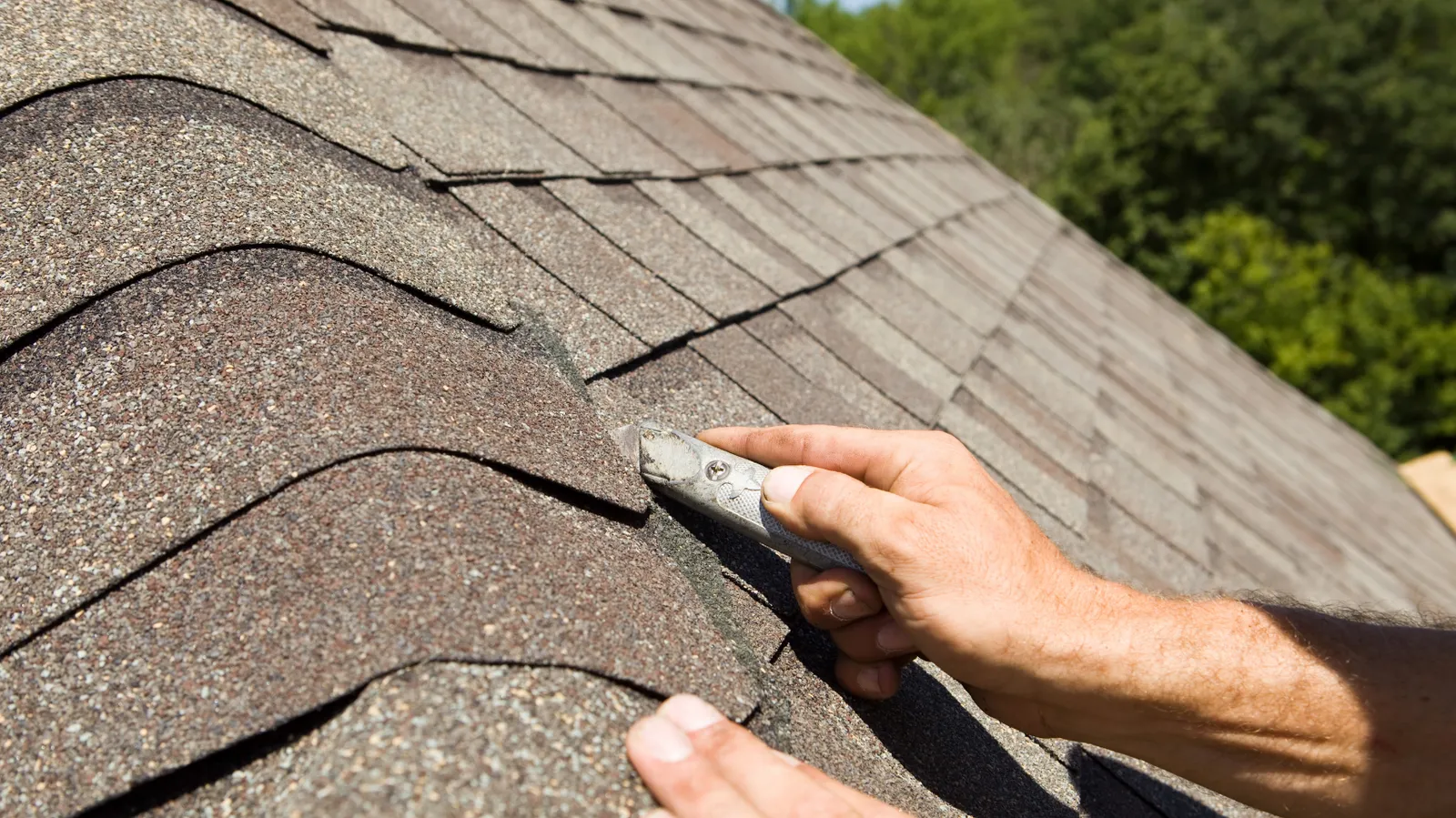
The slopes, on foot
Our roofer walks the roof itself, including the slopes the road never sees. Granule loss, bruised mats and lifted courses look different underfoot than they'd look through a zoom lens.
Flashing and soft metals
Chimney and wall flashing, valley metal, pipe boots and vent caps get their own look. Soft metal dents before shingle does, so it'll show hail the field hid.
Intake and exhaust
Soffit intake and ridge or box exhaust count against the roof's own square footage. An attic that can't breathe cooks the deck from below and shortens whatever is nailed to it.
The attic, as needed
Your roofer goes up into the attic when the surface raises a question it can't settle, like a stain path or a soft spot. Otherwise it stays shut.
Gutters and the ground line
Gutter troughs, downspouts and the fascia get checked, since a roof draining wrong takes the siding with it. Grit in the trough means the covering's near done.
What comes back to you
You get the findings written down and yours to keep, whatever they turn out to say. If there is work, the estimate for it comes with the report.
What a first look usually finds
Most Skiatook roofs looked at after a hail spring are carrying two or three of these, and hardly any of them show from the ground. Sorting what's urgent from what can wait a season is the whole job.
Bruised mats under the granules
A hail hit that took the granules off leaves a soft dark circle where the mat took the blow. The shingle keeps lying flat and keeps failing underneath, and that's why a ground-level look misses it.
Seal strips broken by wind
Wind can lift a course, break the tar seal holding it to the row below, and set the shingle back down looking normal. The next storm gets under it, and that's when a whole section leaves at once.
Flashing pulled at the chimney
The metal collar where a chimney meets the shingle is one of the most common leak points on a shingle roof. Caulk dries, the collar lifts a fraction, and you've got water following the chase down to the ceiling below.
Pipe boots split by sun
The rubber collar around a plumbing vent hardens and cracks long before the shingles around it are finished. A split boot's a cheap repair and an expensive leak, in that order.
Fasteners backing out
A nail working its way up lifts a small bump under the shingle above it and eventually punches through. On an older covering you'll usually find several, and each one is an open hole with a shingle laid over it.
Decking gone soft
A deck that's been wet on and off underneath goes spongy, and it announces itself underfoot before it announces itself in the house. That's the finding that turns a repair conversation into a replacement one.
Surface, then details, then the attic
How long it runs depends on what the first slope turns up. A roof with nothing going on is over quickly, and one with a stain path to chase takes longer, because that's when the attic joins the trip.
The full field
Your roofer covers the slopes on foot, working across granule loss, bruising and lifted courses the ground can't show.
Metals and penetrations
Chimney and wall flashing, valleys, pipe boots, vent caps and the gutter line each get a separate look, since these fail earlier than the field around them.
The attic, if warranted
When something up top raises a question that can't be settled from the roof itself, the roofer goes inside to look at the decking, the insulation line and any stain path from underneath.
Findings and next step
You get the findings written down, with an itemized estimate attached only if there's work worth doing.
Why the look costs nothing
The money in roofing is in the work, and that's the only thing your roofer quotes for. The trip up and the findings that come off it don't cost you anything either way. When there's work, that scope goes home with you, travels to a second roofer, and waits as long as the comparison takes. What Skiatook roof work runs has the ranges.
Ranges come off other houses. Your number comes off the measurements of your own roof.

Skiatook inspection questions after a rough spring
The questions that come up most in the weeks after a hail spring, in roughly the order people tend to ask them.
Set a free Skiatook roof look
Say what the storm did, or say you haven't been up there and don't intend to be. Our roofer walks the slopes here in Skiatook and out across Osage County, and goes inside if it comes to that. Then you'll know what you're dealing with.
A closer look at the roof first.