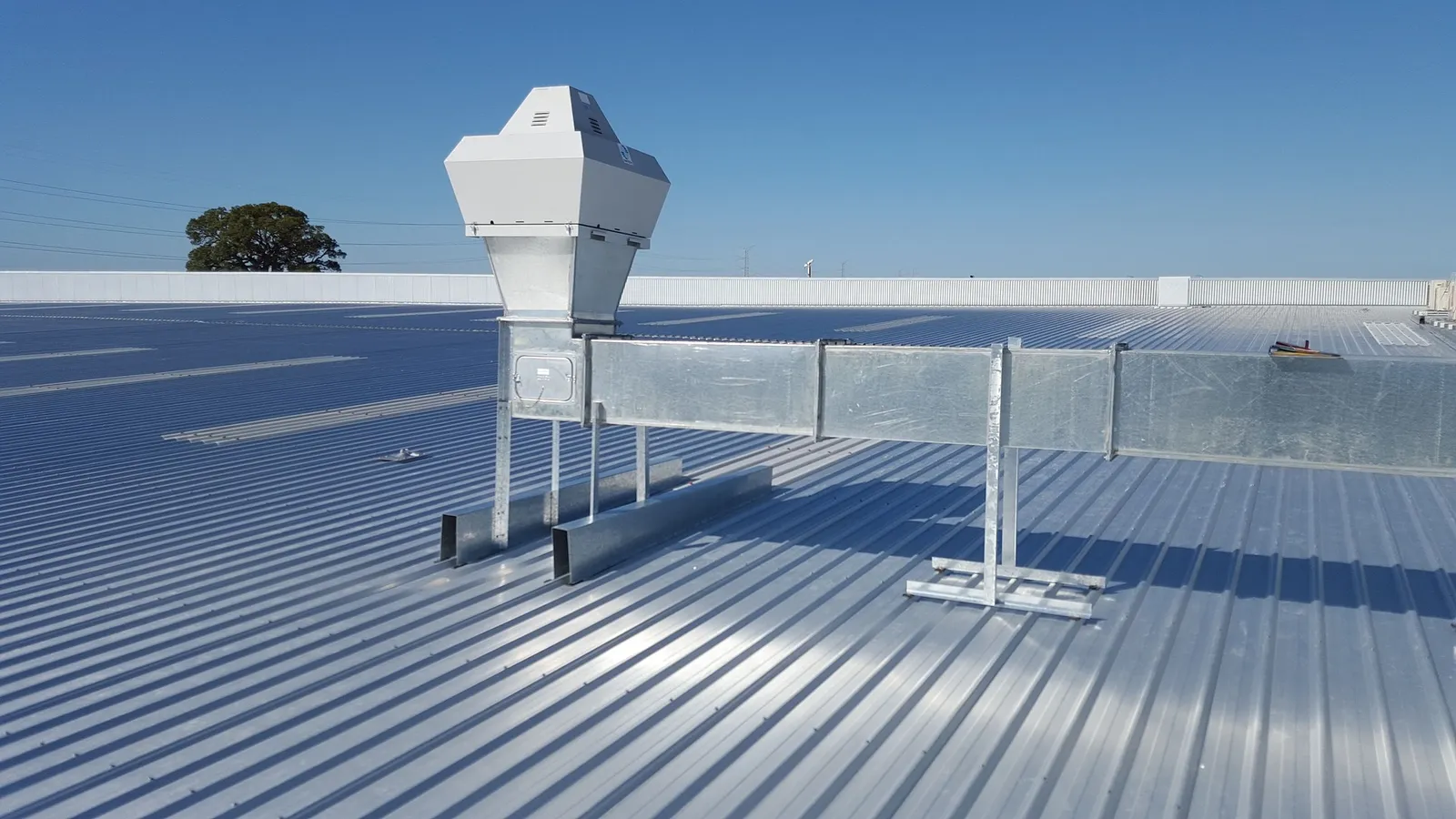
Flat Roof Repair in Skiatook, OK
Low-slope porches, additions and carports in Skiatook, and where a flat roof repair has to start.
Flat sections leak where they meet the pitched roof. You'll hear whether it is a patch or a replacement.
Flat roof repair in Skiatook, OK
Patch it, or take the whole flat section off? That's what a leaking porch asks, and the answer sits at the transition, where the low slope runs under the shingle above it. You'll hear which one you're facing.
Low-slope additions sit all over Skiatook, on porches, sunrooms and carports. The Osage County storm record lists 23 hail days in the last four years, and hail doesn't bruise a flat section the way it marks shingles. It punctures, and you won't see it until the ceiling stains.
Warranty on a flat repair splits two ways. The membrane or coating is the manufacturer's; the workmanship on the joint is our roofer's, both named on the estimate you keep.
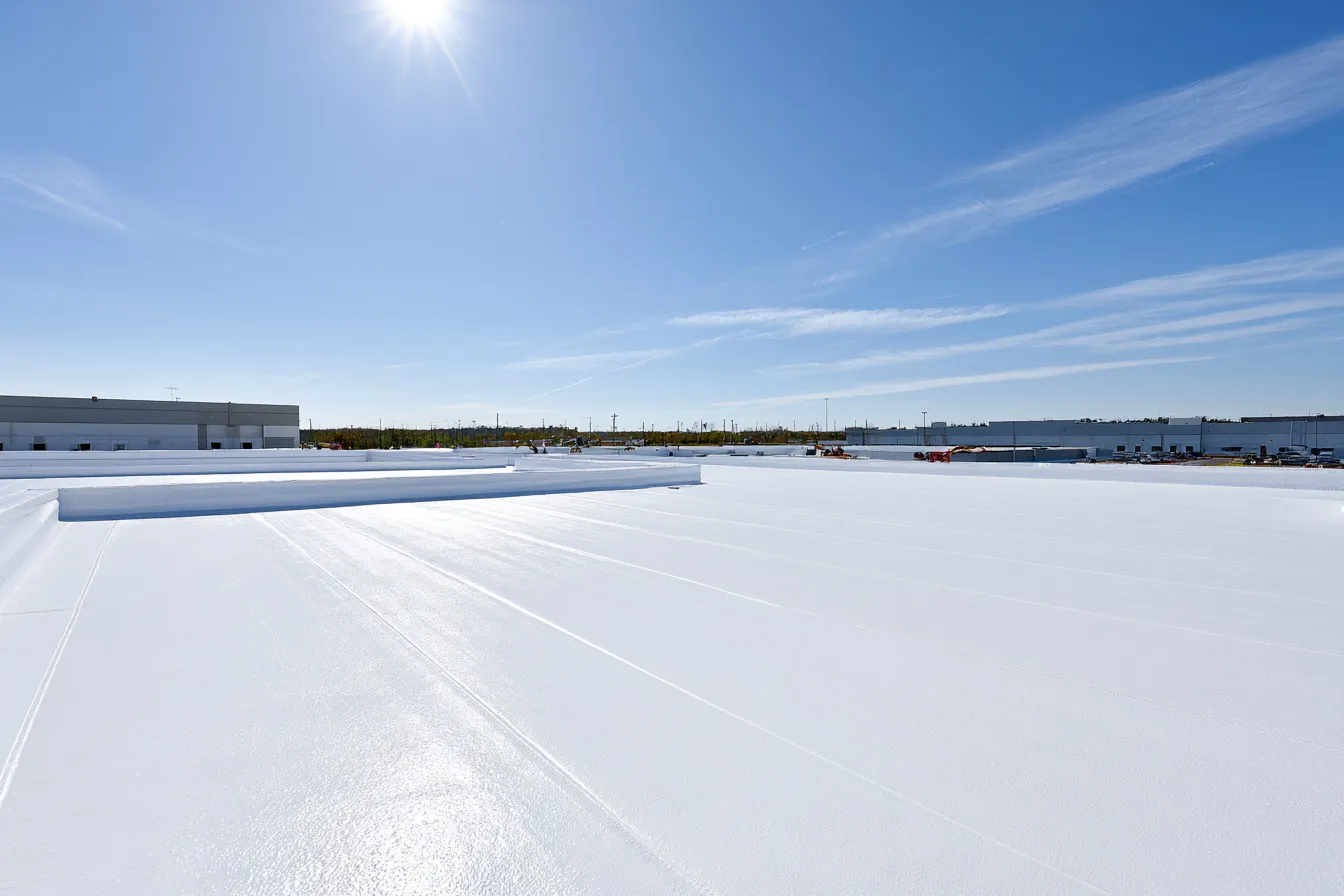
The transition flashing
The joint where the low slope tucks under the pitched roof gets opened, checked and re-flashed with metal. Sealant smeared over that junction lasts a season, then it's open again.
Seams and laps
Every joint between sheets is probed along its whole length, top to bottom. A seam that's let go in one place has usually been working loose either side of it.
Penetrations and curbs
Pipes, vents and any rooftop unit get their boots and collars pulled back and sealed again. They're holes somebody cut on purpose, and they age faster than the sheet around them.
Low spots and drainage
Where water stands, the fall of the roof and the way it drains both come into the repair. A low spot that's patched but still ponds will come back.
The wet-insulation check
Before anything is coated or patched, the layers under the leak are checked for trapped moisture. Sealing over wet insulation hides water it doesn't remove, and the deck underneath keeps paying.
Photographs and the itemized list
Our roofers photograph the failure under the covering, and those pictures sit beside the itemized list you're given. Every line on it shows up in a photo too.
What ponding water is telling you
Water that's still sitting up there two days after the rain is the sign worth acting on, because a low spot adds weight, works at the seams around it, and turns a small weakness into the leak you finally notice inside. The rest of what a flat section tells you isn't out in the open field, it's at the edges and the penetrations.
A puddle that is still there Tuesday
Rain on Saturday and standing water on Tuesday means it's got nowhere to go. Every day it sits it adds weight and works at whatever seam it's lying against.
A damp patch that is nowhere near the roof fault
Water on a low slope runs sideways under the covering until it finds an opening, so the wet corner inside can sit several feet from the failure. That's why chasing the ceiling stain straight up patches the wrong spot.
A soft spot underfoot
Decking that gives a little when somebody walks it means moisture's been sitting in the layers below. Coating over a soft area shuts that water in where it'll keep working on the deck.
A seam edge you can lift with a fingernail
Where two sheets are joined is where a flat roof usually opens first. A lifted seam is a small repair while it's still a seam, and a much bigger one once wind gets underneath.
Cracked sealant around a pipe or vent
Every pipe, vent and curb is a hole in the roof that something has to seal. That sealant ages faster than the sheet around it, so it's near the top of the list on any leak call.
Drips that start where the addition meets the house
A low-slope roof bolted onto a pitched one has to be flashed up underneath the shingle course above it. Cut short or nailed through, it'll leak in the first hard rain and keep leaking after.
Identify the system before pricing a fix
Nobody can price a repair on a covering they haven't identified, so that's where our roofers start.
What is up there
A single-ply membrane, a rolled asphalt system and an older built-up roof each fail in their own way, so the first job is working out which one you've got.
Find the entry
Water on a low slope travels, so the search runs from the stain inside back up to whatever seam, flashing or penetration it's coming through.
Check what is wet
Where the leak is found the layers come open far enough to show whether the insulation below has taken on water, and that's what decides whether you're looking at a repair or a tear-off.
Repair or section
What comes back is a written scope that separates the patch from a full section replacement, with a figure set against each so you can see what you're choosing between.
Two causes, two different prices
Two things put water through a low slope, and they price differently because they are different work. Ponding is a drainage problem, so the low spot has to be built back up until water leaves on its own, and how much of the field comes up to do that is what decides the bill. A failed transition where the addition meets the house is flashing work instead, priced off the length of the run and how much of the wall has to be opened to flash it properly. Which one you have is settled up on the roof, never from the stain on the ceiling.
Nobody can price this one off a table. You get a figure once our roofer has walked the low slope and found which of the two you're dealing with.
Low-slope questions in Skiatook
What Skiatook homeowners ask once a low-slope section starts leaking.
Get the Skiatook low slope seen
The trucks that show up after a hailstorm are gone by the time your addition leaks again in February. Our roofers work these streets the rest of the year too, which is what you want on a low slope that's going to need watching more than once. What a roof costs in Skiatook covers the money side if you'd rather read first.
A closer look at the roof first.